The Calm Money System
Why Budgets Don’t Work for Most Women (And What to Do Instead)
The Problem Was Never You
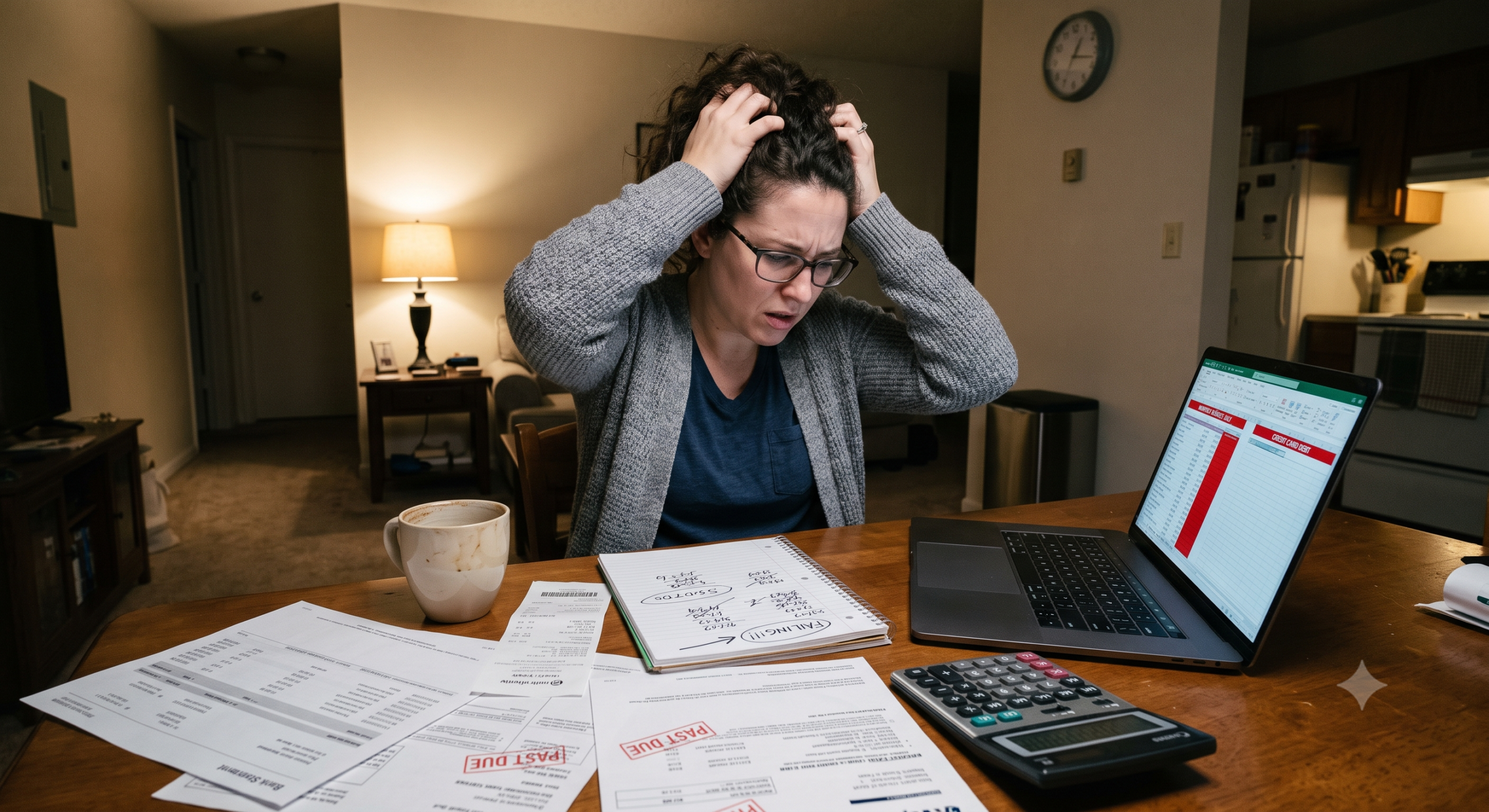
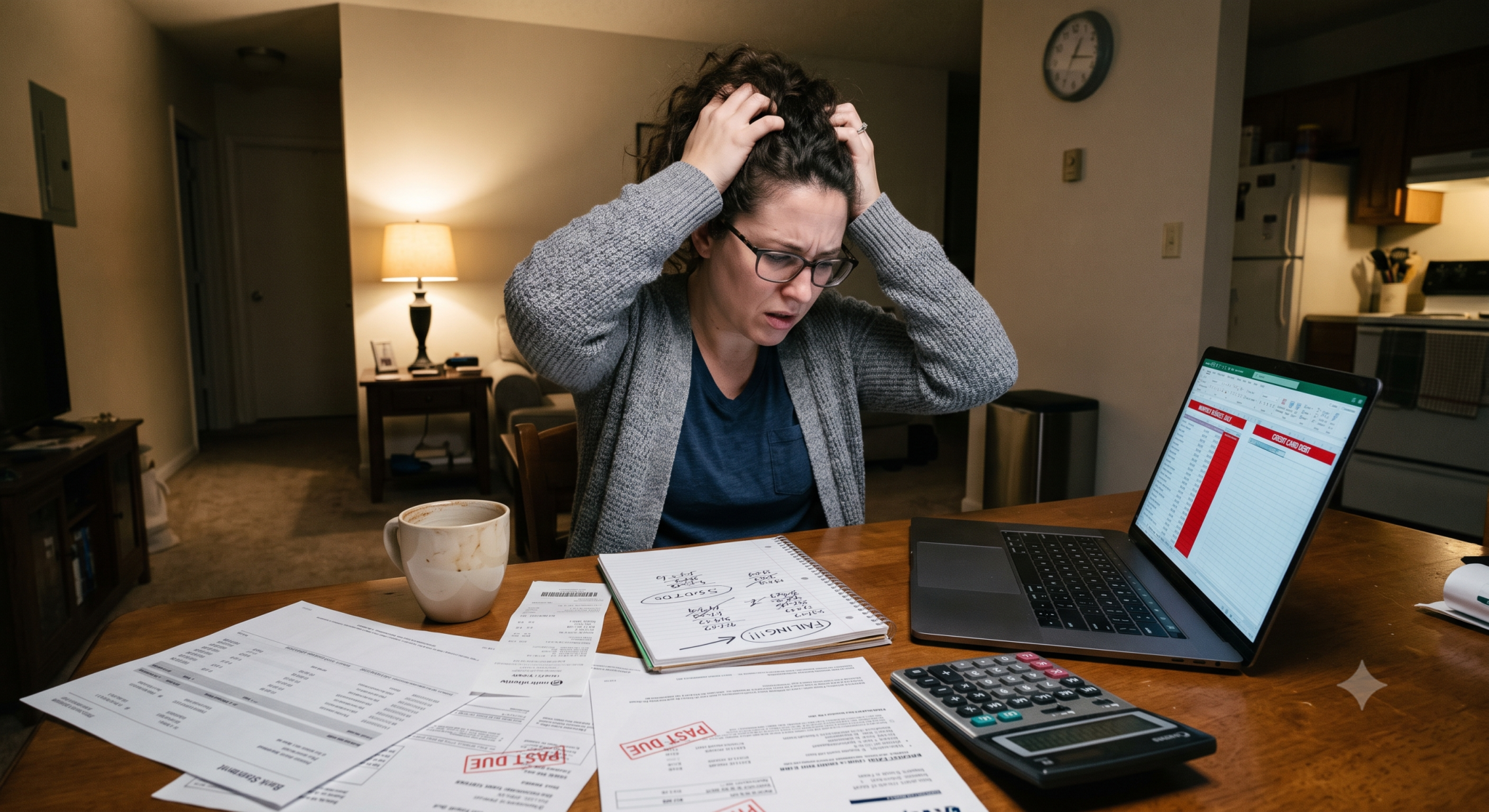
I spent years as a financial planner watching people who understood exactly what they needed to do with their money and still could not do it. They had read the books. They had downloaded the apps. They had set up the spreadsheets. They had genuinely tried, more than once. And every time, real life got in the way.
The problem was never the person. It was the system they were trying to use.
What a Budget Actually Asks You to Do
A budget, in its conventional form, asks you to track every dollar you spend, compare it against a predetermined allocation, notice when you’re over, and adjust your behaviour accordingly. Every single day. Under every kind of pressure — tired, stressed, with children in tow, at the end of a long week, with a social occasion on Friday night that was not in the plan.
That is an enormous ask. And it is an ask that relies entirely on willpower — the least reliable resource any of us has, because it depletes the more you draw on it. Research in behavoural economics shows that decision fatigue is real. By the time most people reach a spending decision after a long day, they have far less capacity to override impulse than they did at 9am.
Why Women Face a Particular Challenge
The standard budget was designed around a simple model: one income, predictable expenses, a stable week. Most women’s financial lives do not look like that. Career breaks for caregiving, part-time returns to work, variable income, irregular expenses around children — the unpredictability is built in. A rigid budget has almost no room for that kind of variance, which means it breaks regularly.
I have watched smart, capable women give up on managing their money entirely because they had failed at budgeting three or four times and concluded they were simply bad with money. They were not. They were using the wrong tool.
The Alternative: A Spending Plan
Retrospective
Tracks what you spent against what you planned. Requires daily decisions and active effort to maintain. Breaks under real-life pressure.
Prospective
Decides what will happen in advance, then builds a structure so it happens automatically. The decisions are made once, not daily.
A spending plan builds a clear picture of your actual income and your fixed non-negotiable costs, then allocates what is left deliberately — to savings, to debt, to living — before you have a chance to make hundreds of individual daily decisions about it.
You can build one right now using the Budget Planner on the site. Start with your take-home income, list every fixed cost, and see what is genuinely left. Most people find the number surprises them — either there is more room to move than they thought, or there is a leak they had not identified.
The Structured Banking System
The Calm Money System I teach in My Money Makeover goes one step further than a spending plan. It builds your finances around a structured banking setup that removes daily decisions almost entirely.
Income account
Your pay lands here. This is the hub — everything else flows from it.
Fixed expenses come out automatically
Rent, utilities, subscriptions — all set up on direct debit so they never rely on you remembering.
Spending account receives a set transfer each pay cycle
What lands here is yours to spend freely. No tracking. No guilt. No spreadsheet.
Savings move automatically before you see them
Transferred to a separate account before your pay hits your day-to-day. You save without deciding to save.
Once the system is set up, you are not relying on willpower. You are relying on structure. The money goes where it needs to go because you built it that way, not because you remembered to be disciplined on a Thursday evening when you were exhausted.
If you want to see how your savings could grow over time once the system is working, the Saving Calculator will show you what consistent, automated saving actually produces over five, ten, and twenty years. The numbers tend to be motivating.
The Question Worth Asking
If you have tried budgeting and failed, the question worth asking is not: what is wrong with me? The question is: what was wrong with the system?
A system that requires perfect discipline under every life condition is not a good system. A system that runs in the background, that you barely have to think about once it is set up, that moves money where it needs to go before you have a chance to redirect it elsewhere — that is a system built for real life.
Most people who start My Money Makeover have already tried budgeting, usually more than once. By Module 4, when we build the Calm Money System together, many of them say the same thing: they could not believe how straightforward it was, and they could not believe it had taken them this long to find something that actually fit.
If you are ready to try a different approach, you can explore what the program covers at jenrichardson.co/my-money-makeover. And if you want to start today without any commitment, the free video library covers the basics of spending plans and cash flow management in plain English.
Budgets are not a character test. The right system is.
Ready to build a money system that works without the daily effort?
My Money Makeover starts with mindset and ends with a complete automated system for your real life. Module 4 is where we build the Calm Money System together.

Frequently Asked Questions
Budgets fail because they are willpower systems — they require you to make dozens of active decisions every day, under real-life conditions, with no margin for error. Research in behavioural economics shows that decision fatigue is real: by the end of a long day, most people have far less capacity to override impulse than they did in the morning. A budget adds more decisions to the pile rather than removing them.
A spending plan is prospective rather than retrospective. Instead of tracking what you spent against what you planned, it builds a clear picture of your actual income and fixed costs, then allocates what is left deliberately — to savings, debt, and living — before you have a chance to make hundreds of individual daily decisions. A budget measures what happened. A spending plan decides what will happen, in advance.
A structured banking system — also called the Calm Money System — builds your finances around multiple accounts, each with a specific job. Your income lands in one account. Fixed expenses come out automatically. A set amount transfers to a dedicated spending account each pay cycle. Savings move automatically to a separate account before you see them. Once set up, you stop relying on willpower and start relying on structure.
Build a system rather than relying on discipline. Start with a spending plan — use the Budget Planner to map your actual income against your fixed costs and see what is genuinely left. Then set up a structured banking system so money moves to the right places automatically before you have a chance to spend it elsewhere. The goal is to make the right financial behaviour the path of least resistance, not a daily act of willpower.