What Is a Money Mindset and Why Does Yours Matter?
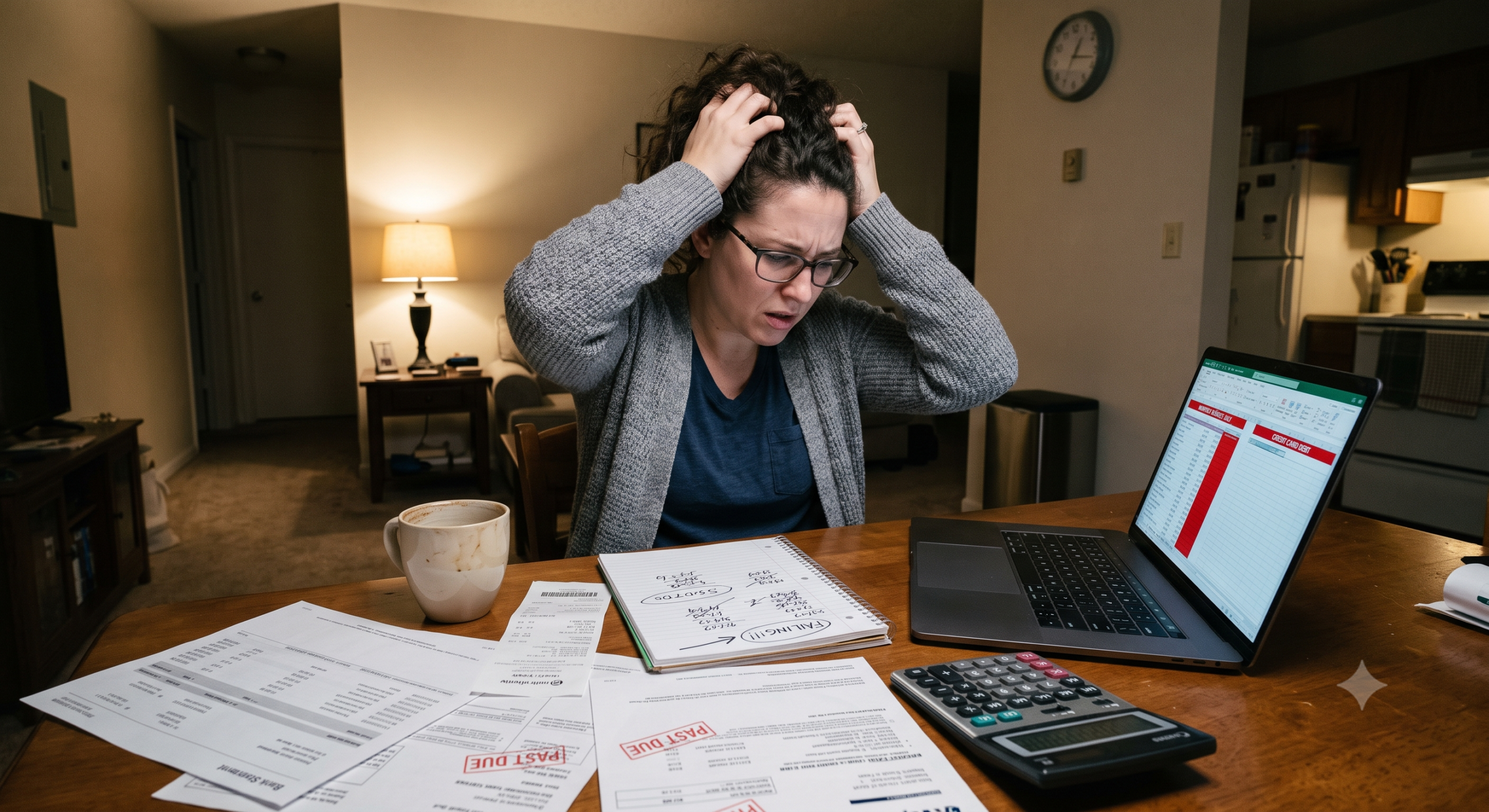
I spent years as a financial planner watching people who had all the information they needed to sort out their finances and still could not do it. Smart, capable people who knew what they should be doing and kept not doing it. The reason, almost always, was not a lack of knowledge. It was the story they were running about money — whether they deserved it, whether things could actually change, whether someone like them could ever really get ahead.
That story is a money mindset. And it runs quietly in the background of every financial decision you make, whether you are aware of it or not.
What a Money Mindset Actually Is
Money mindset is how you think, feel, act, and give when it comes to money. The whole relationship is captured in that phrase. The anxiety that comes up when you open your bank statement. The belief you carry about whether wealth is something people like you are allowed to have. The way you respond when money is tight versus when there is more of it around. All of it.
Research suggests money mindset is largely formed by the age of seven. Before most of us could open a bank account, the core beliefs we would carry into adulthood were already in place. They came from the households we grew up in — from what we heard, from what we watched, and equally powerfully, from what was never discussed at all.
Your money mindset is not fixed. It was formed by your environment and your experiences. Those are things that happened to you, not permanent features of who you are. With conscious effort and the right financial literacy, it can change. I know this because mine did.
The Two Mindsets: Scarcity and Abundance
I talk about two types of money mindset. Most people sit somewhere on a spectrum between them rather than fully in one camp. But most of us lean predominantly one way.
There is never enough
Money is something to fear, hoard, or avoid. Decisions get made from anxiety rather than clarity.
Sounds like
“You can’t take it with you when you go.”
Spending freely because it is all temporary, or clinging to it because spending feels like loss — both come from the same root.
Money is a tool
It can grow. Situations change. Opportunities exist for building something better — and you are capable of doing the work to get there.
Looks like
Calmer financial decisions. A longer view. Feeling less threatened by actually looking at the numbers.
I want to be direct about something here. Most people who grow up with a scarcity mindset and work to shift toward abundance do not leave it behind entirely. I still have days where the old voice comes back. A bill arrives, something unexpected happens, and it surfaces again. The difference is that I know whose voice it is now, and I know how to answer it. That awareness is most of the work.
The Quiet Household and the Noisy Household
One framework I use in My Money Makeover is what I call the quiet household and the noisy household. Understanding which one you grew up in goes a long way toward explaining the money beliefs you are carrying now.
Money was never discussed
No arguments, no drama, no visible financial stress. On the surface, healthy. Underneath, sneakier than it looks.
What you absorb is what is left unsaid. You learn from whether there always seemed to be enough, or whether the answer to “can I have that?” was consistently “we don’t have the money.” You learn from watching adults handle finances competently in the background — or from never being shown how it works at all.
Often becomes
Adults who feel embarrassed admitting they don’t understand money, and who avoid the topic well into their own financial life.
Money was a constant presence
In its positive form: budgets, goals, how things work, what costs what — all openly discussed. Children grow up understanding money matters and that talking about it is normal.
In its more difficult form: money is the source of conflict. Arguments about what is not there. Money as a charged, emotionally heavy topic.
Often becomes
Adults who carry money tension into their own lives even when their finances are stable. The body remembers the stress, even when the bank account no longer reflects it.
Neither household produces a perfect money mindset. Both leave a mark. The value of understanding which one you came from is that it gives you context. Your beliefs about money are not random. They were learned. And learned things can be unlearned.
Why It Matters More Than You Think
Here is what I have come to understand after working with hundreds of women on their finances: the practical knowledge — how super works, how to build a budget, what compound interest does — is the easier part to teach. The mindset work is harder and it matters more.
That is why mindset is Module One in My Money Makeover. The leaky bucket has to be fixed before you start filling it. No budget in the world holds if the beliefs underneath it are telling you it is pointless, that you are bad with money, that there will never be enough. Fix the leak first. Then build.
How to Start Shifting Yours
- Identify what you actually believe about money. Most people have never articulated it. They just act on it. Write down the first three things that come to mind when you think about money. Whatever surfaces is your starting point.
- Ask where those beliefs came from. Were they something you were told? Something you observed? Is there genuine evidence they are permanently true, or are they patterns formed in specific circumstances that no longer apply?
- Fill the knowledge gap. A huge part of why scarcity mindsets persist is that people were never taught how money actually works. Financial literacy is a skill. It can be learned at any age, and learning it changes the way money feels. When you understand how compound interest works, how super grows, how a spending plan is built — money becomes something you can work with rather than something that happens to you.
Your money mindset was not your choice. Changing it is. And the work is definitly yours to do, but you do not have to do it alone.
Ready to work on both your mindset and your money system?
My Money Makeover starts with mindset because that is where real change begins — then builds the practical system that turns belief into action.
Jen Richardson
Jen is an accountant, business coach, and former financial planner with 30+ years in financial services. She founded jenrichardson.co to give Australian women the financial education they were never taught — straight-talking, no-BS, and built for real life.
Frequently Asked Questions
A money mindset is how you think, feel, act, and give when it comes to money. It captures the whole relationship — the anxiety when you open a bank statement, the beliefs you carry about whether wealth is something you are allowed to have, and how you respond when money is tight versus abundant. Research suggests it’s largely formed by the age of seven, shaped by the household you grew up in and what you absorbed from the adults around you.
A scarcity mindset is built on the belief that there is never enough — money is something to fear, hoard, or avoid, and decisions get made from anxiety. An abundance mindset works from different assumptions: money is a tool, it can grow, opportunities exist, and you are capable of doing the work to get there. Most people sit somewhere on a spectrum between the two rather than fully in one camp, but tend to lean predominantly one way.
Core beliefs about money are largely formed before age seven, shaped by the household you grew up in — what was said, what was modelled, and what was never discussed at all. A “quiet household” (where money was rarely talked about) teaches different beliefs than a “noisy household” (where money was a regular topic, either openly discussed or a source of conflict). Both leave a mark, and understanding which one you came from gives you context for the beliefs you are carrying now.
Yes. Your money mindset is not fixed — it was formed by environment and experience, not permanent features of who you are. With conscious effort and the right financial literacy, it can change. The work starts with identifying what you actually believe about money, tracing where those beliefs came from, and filling the knowledge gap so money becomes something you can work with rather than something that happens to you.