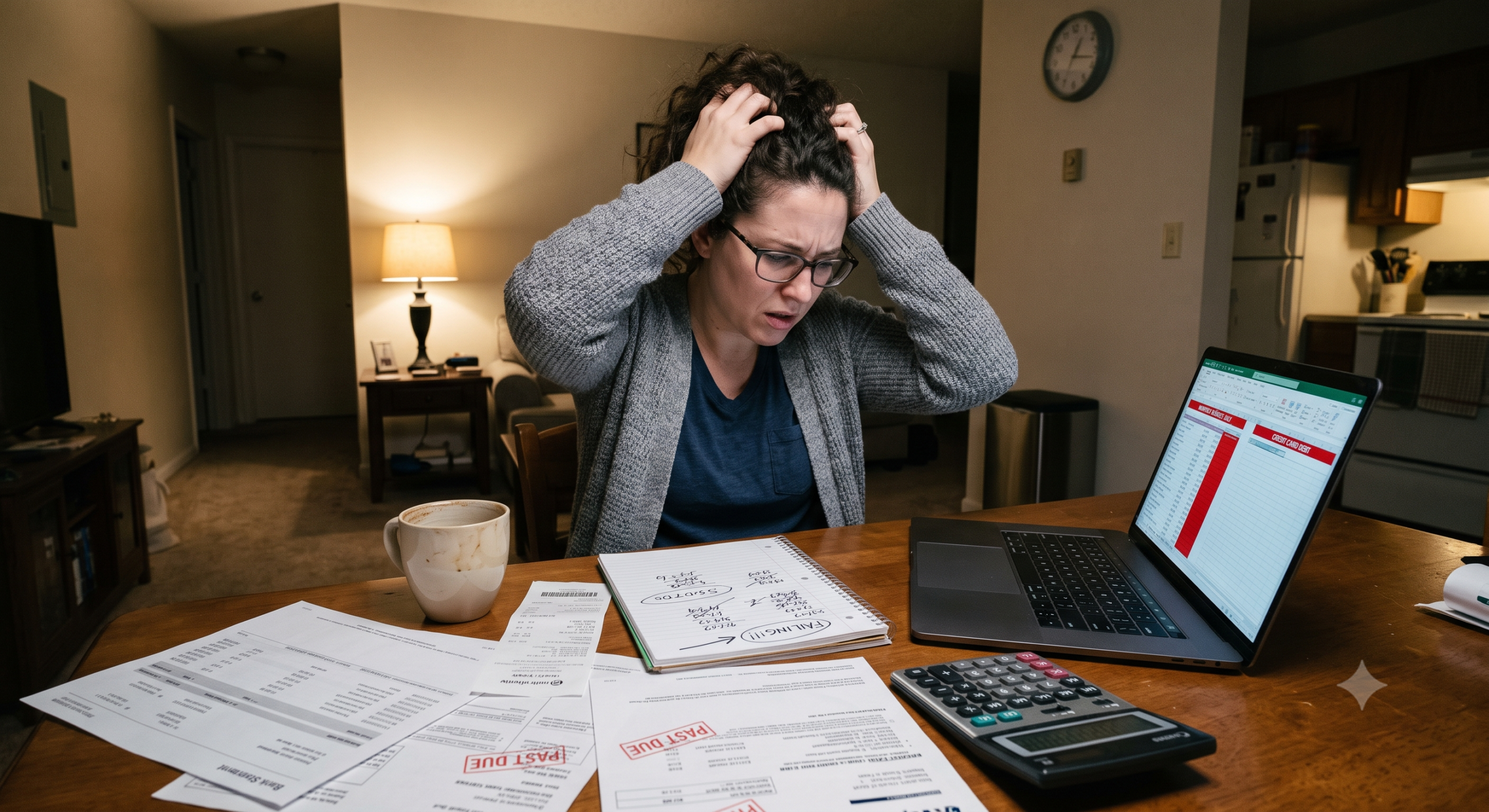
Credit cards often get a bad rap.
You’ve probably heard things like “Credit cards are dangerous,” or “Cut them up and never look back.” And while that advice can come from a good place, here’s the truth: credit cards aren’t the problem.
It’s how we use them that matters.
Credit cards are just a tool
Like a hammer or a kitchen knife, a credit card is neither good nor bad on its own. It can help you build something solid — or it can cause harm if it’s used without care.
Used wisely, a credit card can:
- Boost your credit score
- Provide rewards and perks
- Offer emergency access to funds
But used without a plan, it can:
- Build up high-interest debt
- Mask overspending
- Create stress and financial instability
It all comes down to how you manage it.
The real issue? Habits and mindset
If you find yourself relying on your credit card to cover daily costs, it’s not about the plastic in your wallet. It’s about the systems and spending patterns that got you there.
Ask yourself:
- Am I spending more than I earn?
- Do I use my card out of habit or necessity?
- Have I built a budget that reflects my actual life?
Being honest about your habits is the first step to taking your power back.
You’re in charge, not your card
When you stop letting your credit card make the decisions, and start using it intentionally, everything changes.
Try this:
- Only use your card for planned purchases you can pay off in full
- Set up auto-payments to avoid interest and late fees
- Track your spending weekly so you stay aware, not avoidant
The goal isn’t to fear your credit card — it’s to make it work for you.
Mindful money is powerful money
You don’t need to cancel your card to regain control. You need to shift your mindset:
From: “This card is ruining my finances.”
To: “I get to choose how I use my money.”
From: “I can’t trust myself with credit.”
To: “I’m building better habits every day.”
That shift? It’s where real change begins.
Rewrite the story
Credit cards aren’t the villain. They’re just a character in your financial story. You get to decide how the plot unfolds.
So whether you use them, avoid them, or rebuild your relationship with them — let it be on your terms.
Because when it comes to your money, you’re the one in charge.
It’s your time.